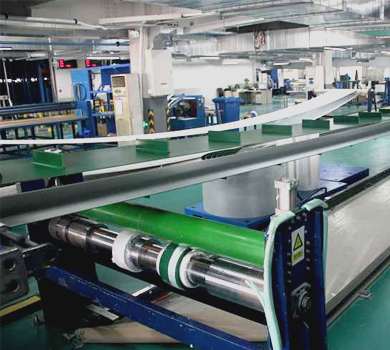

Industrial robotic painting in the metal components sector is a highly specialized field within automation, where the integration of advanced motion control and robust drive systems is critical to achieving quality and efficiency. The industry is driven by the need for consistent surface finish, reduced material waste, and high-speed operation, all of which place stringent demands on the performance and reliability of the underlying transmission components, particularly gearboxes.
1. Industry Challenges and Pain Points
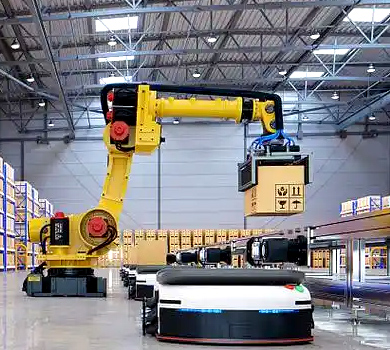
The typical robotic painting line for metal parts includes six-axis robotic arms, spray guns, conveyors, and motion control units. These systems are deployed in high-throughput environments with demanding requirements for accuracy, repeatability, and durability. Current industry trends show a shift toward high-torque, compact, and highly efficient drive systems to meet these demands.
Despite these advancements, the industry still faces several challenges:
- Drive system limitations: Standard gearboxes often fail to meet the high-torque requirements of large painting robots, leading to frequent maintenance and downtime.
- Structural instability: Continuous motion and impact loading from spraying processes can cause misalignment and mechanical wear in poorly designed systems.
- Energy efficiency and cost: The need for 24/7 operation increases the importance of energy efficiency and long-term cost-effectiveness, which many off-the-shelf solutions do not adequately address.
- Environmental adaptation: Painting lines often involve high temperatures, chemical exposure, and airborne particulates, which can degrade traditional gearboxes over time.
2. Key Role and Technical Requirements of Gearboxes in Robotic Painting
Gearboxes are essential in industrial robotic painting systems, providing precise motion control and high mechanical reliability. In this context, the following are the core technical requirements:
- High torque density: To handle the heavy-duty tasks of large robotic arms and spraying nozzles.
- Accurate transmission: Maintaining tight angular tolerances to ensure consistent paint application.
- Fast response speed: Enabling rapid axis adjustments and dynamic movements for complex painting patterns.
- Compatibility and modularity: Supporting integration with various motor types and robotic platforms for flexible deployment.
- High load capacity and impact resistance: To withstand the continuous stress and occasional mechanical shocks in painting environments.
- High stability: Ensuring consistent performance under variable load and motion conditions.
In addition to these core requirements, the following hidden but critical factors must be considered in gearbox design:
- Environmental adaptability: Gearboxes must operate reliably in high-temperature and chemically aggressive environments.
- Long service life: The system must endure high operational cycles with minimal wear and failure risk.
- Low maintenance frequency: This is crucial for maintaining productivity and reducing operational costs in continuous production settings.
3. Waimica's Heavy-Duty Gearbox Solution for Robotic Painting Lines
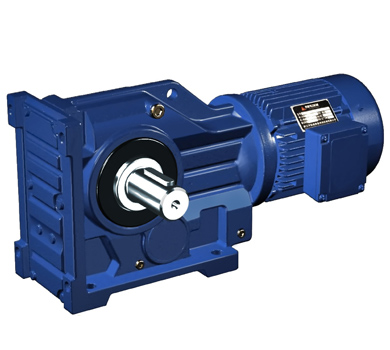
Waimica has developed a series of high-performance, heavy-duty gearboxes specifically tailored to the challenges of metal part painting applications. Our solutions directly address the limitations of conventional gearboxes by combining advanced engineering with durable materials and modular design.
- Compact and modular design: Waimica gearboxes are engineered with space-saving profiles and flexible mounting options, allowing for seamless integration into robotic systems without compromising structural integrity.
- High torque and precision: Our gearboxes deliver exceptional torque density and high transmission accuracy, ensuring precise control of robotic movements even under heavy loads.
- Robust performance in special conditions: With enhanced sealing and high IP ratings, Waimica gearboxes are suitable for use in high-temperature environments, clean rooms, and areas with high particulate exposure.
| Parameter | Specification |
|---|---|
| Torque Range | 500 - 3000 Nm |
| Backlash | ≤ 1 arcmin (Class 0) |
| Efficiency | ≥ 90% |
| Input Flange Type | ISO 9409-1, ISO 6310 |
| IP Rating | IP67 / IP68 (as required) |
| Operating Temperature | -30°C to +100°C |
| Service Life | ≥ 20,000 hours under rated load |
4. Conclusion and Waimica Brand Value Summary
Waimica's heavy-duty gearboxes represent a significant leap in performance, reliability, and adaptability for industrial robotic painting systems. Our products are engineered to meet the highest international standards and are designed for maximum efficiency, long life, and minimal maintenance. Waimica offers a compelling value proposition as a high-performance, cost-effective alternative to traditional foreign brands, with full customization and fast delivery capabilities tailored to meet the unique demands of each client's operation.
As the industry moves toward higher automation, increased production speeds, and more demanding environmental conditions, Waimica is committed to providing cutting-edge transmission solutions that support these advancements. Our long-term collaboration model ensures continuous improvement, technical support, and on-time delivery, making Waimica a trusted partner for industrial automation success in the global market.